Most people avoid looking for financial help until something breaks. A mortgage application might get denied. A car loan comes back with an interest rate that makes your stomach drop. A credit card you have had for years can start to feel like it is working against you instead of for you. Then you start to figure out what went wrong and who can actually help fix it.
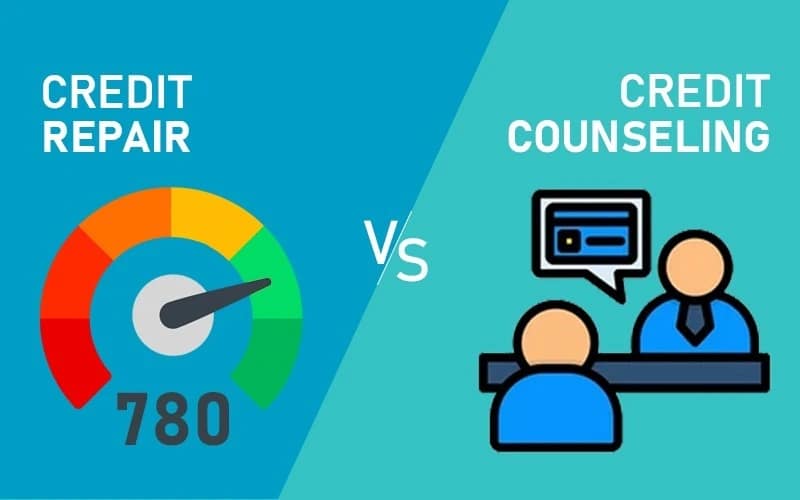
Two options surface quickly- credit repair and credit counselling. They sound similar and are marketed to people in financial distress. However, they are not the same thing.
Thus, before handing your financial information to anyone, here is what you should know about credit repair vs credit counseling.
What is Credit Repair?
The simplest answer is that it is the process of identifying and challenging inaccurate or outdated negative information on your credit reports. Your credit reports should accurately reflect your financial history. Accounts often get reported with wrong balances. Payments get marked late when they aren’t. Some credit reports mistakenly show discharged bankruptcy debts as still owed. Old collections that should have aged off linger past their legal window. Identity theft leaves behind accounts you never opened. These types of inaccuracies are more widespread than you might expect. They can easily drag your score down without your knowledge.
Credit repair exists to dispute these inaccuracies directly with the credit bureaus and the creditors who furnished the information. You have the legal right to do this yourself, and many people do. A Miami credit repair service, when it is a legitimate one, does this work on your behalf. But these services are not for removing negative information. Any inaccuracies are a part of your credit history, and no legal service has the potential to make it disappear.
What is Credit Counseling?
Credit counseling takes on a different approach entirely. Rather than focusing on your credit report, it focuses on your financial behavior or your budget. So, credit counseling is a service that is primarily offered by non-profit organizations where a certified counselor reviews your financial picture, your expenses, your income, and your debts. Thereon, they can help you build a realistic plan to manage what you owe and change the habits that got you into trouble. Credit counseling makes the most sense when the core problem isn’t your credit report but your finances.
How Does Credit Repair Work?
If you know how credit repair works, you can spot services that are cutting corners. The process begins with a full review of your credit reports from all three bureaus. A reputable service will go through these and identify the items that are inaccurate or unverifiable. Thorough reviews separate genuinely useful disputes from generic letters than accomplish nothing.
Once problem items are identified, the credit repair company sends formal dispute letters to the relevant credit bureaus and, in many cases, directly to the creditors who reported the information. If the disputed item cannot be verified as accurate, it must be corrected or removed.
This process repeats across multiple rounds. Not every dispute succeeds on the first attempt. New problems can surface as others get resolved. The best services track every dispute and follow up consistently.
How Does Credit Counseling Work?
The first is generally a free initial session. A certified counselor will go through your financial details in person or by phone. The goal is to get an honest picture of where you stand. From there, the counselor identifies your options. Most reputable credit counseling agencies are nonprofit and charge minimal fees for their services.
Bottom Line
Credit repair and credit counseling are not always mutually inclusive. Someone dealing with identity theft might need credit repair to remove fraudulent accounts from their reports, but also benefit from credit counseling to get their finances back on track after the experience.