Going through bankruptcy can be difficult, and it can seem like a financial disaster. However, your financial future or opportunities are not totally ruined. Many residents in Miami end up going through bankruptcy, whether from medical bills, getting into debt, losing their jobs, or having some other unexpected problem. With the right measures and determination, you can rebuild your finances.
This guide will provide you with several tips on how to improve your credit after bankruptcy. With discipline, planning, and the help of professionals, you can start building a new financial future.
Review Your Credit Report Carefully
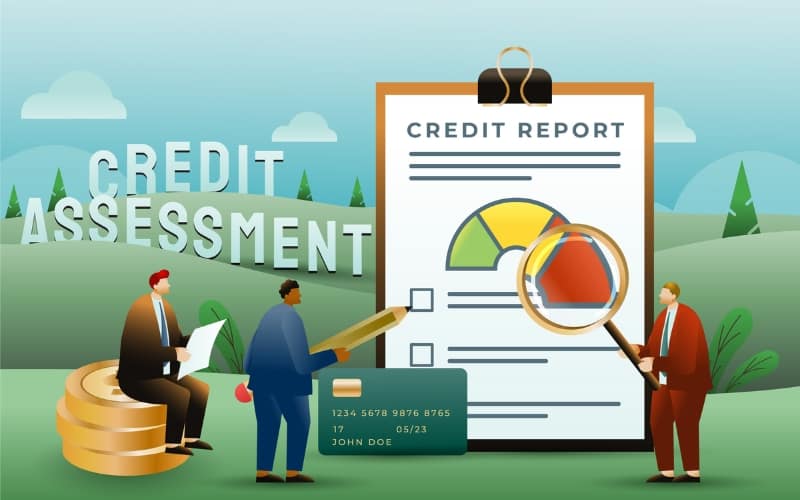
Once you have filed for bankruptcy, you need to check your credit report. You should carefully check for:
- Incorrect account balances
- Incorrect payment history
- Duplicate accounts
- Accounts that should be marked as discharged
Your credit report can contain incorrect information, which is hurting your credit score. There are many professional credit repair specialists who help identify and fix inaccurate information on your credit report as soon as possible.
Pay Bills on Time
Payment history plays a vital role in your credit score. Even after bankruptcy, making on-time payments helps rebuild trust with lenders. Paying these bills on time can help:
- Improve your score gradually
- Build positive credit history
- Show financial responsibility
Late payments after bankruptcy can slow down your progress significantly. This is why consistent payments are a major part of credit repair after bankruptcy Miami strategies.
Create a Financial and Budget Plan
After bankruptcy, managing money carefully becomes very important. A realistic budget helps you:
- Track spending
- Avoid unnecessary debt
- Pay bills on time
- Build savings slowly
Good financial habits are essential for long-term success. Many people using smart credit solutions focus first on improving budgeting and financial control before applying for new credit.
Apply for a Secured Credit Card
Having a secured credit card can come in handy in many ways, as it is the safest way to start your credit rebuilding. With a secured card, you can get the following benefits:
- You get to deposit money as security
- The deposit amount becomes your credit limit
- You use your card with responsibility and make on-time payments
Following these will help you create a positive credit activity. Many people facing credit issues often try to rebuild credit after bankruptcy in Miami using secured credit cards as an important first step.
Keep Your Credit Usage Low
Credit usage indicates how much of your available credit you’re using. For instance, if your credit card has a limit of $1,000, try to use it for less than $300. When your credit has low balances, it shows lenders that you are well capable of managing credit responsibly. A crucial part of smart credit solutions includes controlling credit card balances and avoiding unwanted spending.
Avoid Applying Too Much Credit
After bankruptcy, it may be tempting to apply for many credit cards or loans. However, too many applications can lower your score further. Instead:
- Apply only when necessary
- Focus on rebuilding slowly
- Avoid risky financial decisions
Patience is important during the recovery process. Professional repair credit services often guide clients on when and how to apply for credit carefully.
Common Mistakes to Avoid After Bankruptcy
Bankruptcy can be tough, but it should not determine your future; therefore, once you have been through bankruptcy and are on your path to rebuilding your credit score, try to avoid these pitfalls:
- Use all available credit on your cards.
- Not checking your credit report.
- Not paying your new bills on time.
- Falling for credit repair scams.
- Applying for too many loans at one time.
Avoiding these issues can help you create a faster route for financial recovery.
Final Thoughts
Although bankruptcy may seem like a setback, it does not have to define your financial future. Whether you choose to use a professional credit repair service or incorporate a personal financial plan, the most effective way to repair your credit is by taking constant, long-term actions through multiple sources to improve your credit score and develop long-term financial stability.